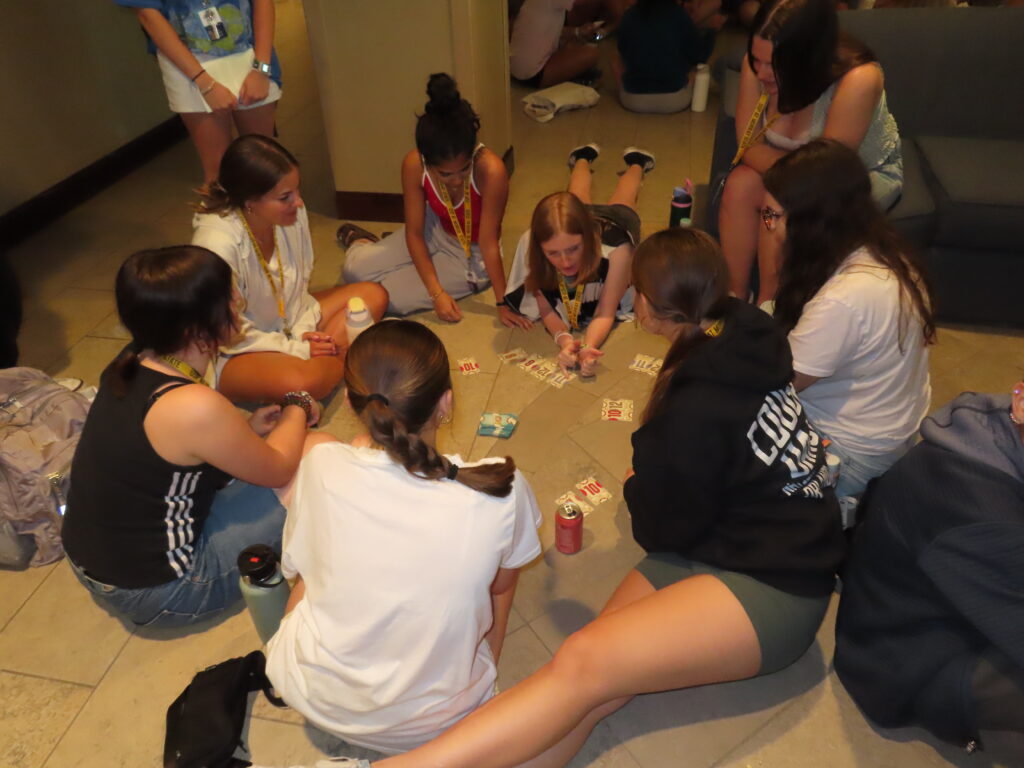
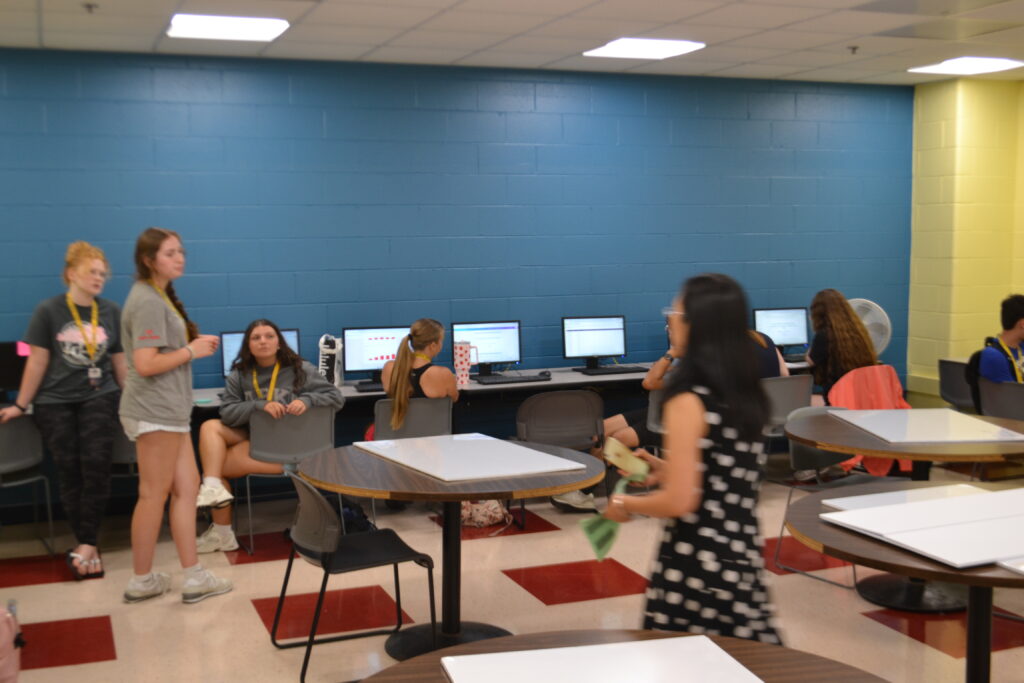
Dr. Qin Zhao’s (Qin for GSP) psychology class was a top pick among scholars for their focus area, so what’s so interesting about this subject? Many scholars believed it would be more of a lecture style class, however, many students were thrilled to report it allowed much more free range than previously anticipated. While in the beginning, scholars had to learn the basics of Psychology, they were soon able to develop personalized research projects based on the book they are reading: Antifragile. Qin split the class into 6 groups, giving them the task of creating a study, test, or experiment that correlates with the concepts displayed in Antifragile, with that criteria, her students have free range.
In the book, Antifragile:Things That Gain from Disorder, Nassim Taleb discusses fragility – concepts that break under pressure – then robustness – concepts that remain the same under pressure. He uses these examples to explain how differing systems react to an external source of stress or volatility, then he introduces a new concept, the concept of antifragility. A system that benefits from the volatility, in fact, grows stronger. An example he discusses while revealing this concept is the Lernaean Hydra, stemming from Greek mythology, depicts a massive serpent that is seemingly immortal; when you cut off one head, two more will take its place. Directly correlating with the antifragile concept, external stressors only make it stronger. Many scholars have come to a general consensus that it is different from any academic book they have read. Psychology student Shlok states, “…the author is really strongly opinionated. I admire that about him. I think it’s quite impressive that he’s able to find so many types of ways to describe antifragility.” Another student, Ruth, remarks, “It’s very personal and talks about his personal experience in the world, which adds a lot to how you are learning from this book. The concept is a really interesting one…”. The formatting Taleb utilizes is unique from other academic journals or books, making it a very interesting read. He combines humor with opinions and a centralized focus on various scenarios where antifragility could or couldn’t be applied. When asked the reason behind assigning this book, Qin states, “I enjoy it a lot because I’m an academic, I’m a research psychologist…So the book has been refreshing in a way, it’s not written in an academic way, it’s very fluid, it’s very free.” The book Antifragile will be implemented into the psychology students’ every action regarding their project, connecting the concepts of antifragility with external volatility in everyday life.
So how is antifragility and psychology connected? The concept of antifragility has everything to do with existence. Whether it’s regarding governments, religion, nature, people, muscle systems, medications, decision making, a core point Taleb makes is that antifragility goes beyond resilience. While resilient systems can withstand a shock then return to normal, antifragile ones benefit. These things can be greatly applied to mindsets from a psychological standpoint. Some people will break from stressors, some may remain impassive, but those with an antifragile mindset are able to thrive and grow with stressors and chaos. Qin remarks, “I do agree that in this day and age, its very important to have this flexible mindset, this antifragile mindset.” Her students are able to take similar ideas from the book, agreeing that based off of your mindset, it will greatly affect you in the real world. Determining the correlation of an antifragile mindset to the real world is the base of the project. Psychology student, Patrick, expresses “The concept of antifragility is really important, especially to those who are transitioning into adulthood.” Utilising this concept of antifragility, her students will divide into 6 groups, and create a compelling question based on external factors, and how exactly it correlates with an antifragile mindset.
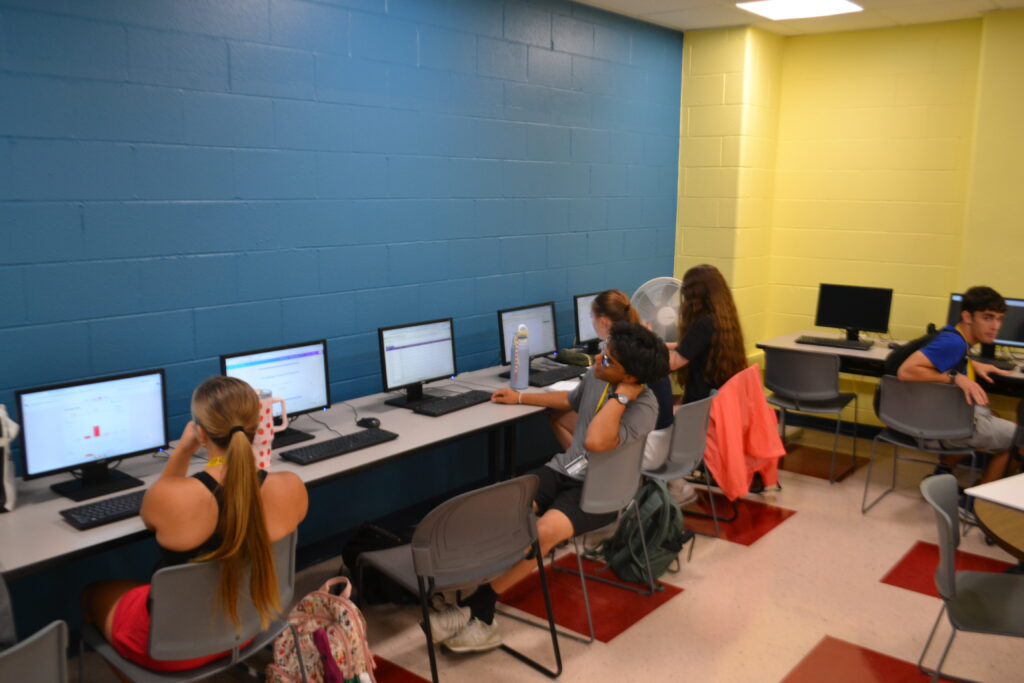
Psychology students then developed well thought out research questions in order to gather the data necessary to present their findings. They will then turn these questions into survey, or test form, Qin sets the criteria, stating that, “…the goal is to design either a correlational study, a survey, or an experiment to test their ideas. The only thing that I’m asking them, is to develop an idea that relates to the book we’ve been reading, other than that they’re free.” Even when reading the same book, her students developed a diverse series of correlational studies designed for fellow scholars. One group focuses on sibling birth order and antifragile mindsets, studying the correlation between whether you are the youngest, oldest, middle or no siblings. Another group highlights the correlation between failures, tying it with the well being of a person over time. There is also a study regarding the correlation between your form of childhood play, focusing on whether differences in background can impact your antifragility. There is another project focusing on preconceived notions of failure, however, putting a spotlight on performance, alongside your wellbeing. Lastly, one project emphasizes whether or not stress mindset and flexible behavior are linked to the adjustment of students at Murray State GSP. Using these diverse lines of questioning, the scholars use the data to form a takeaway.
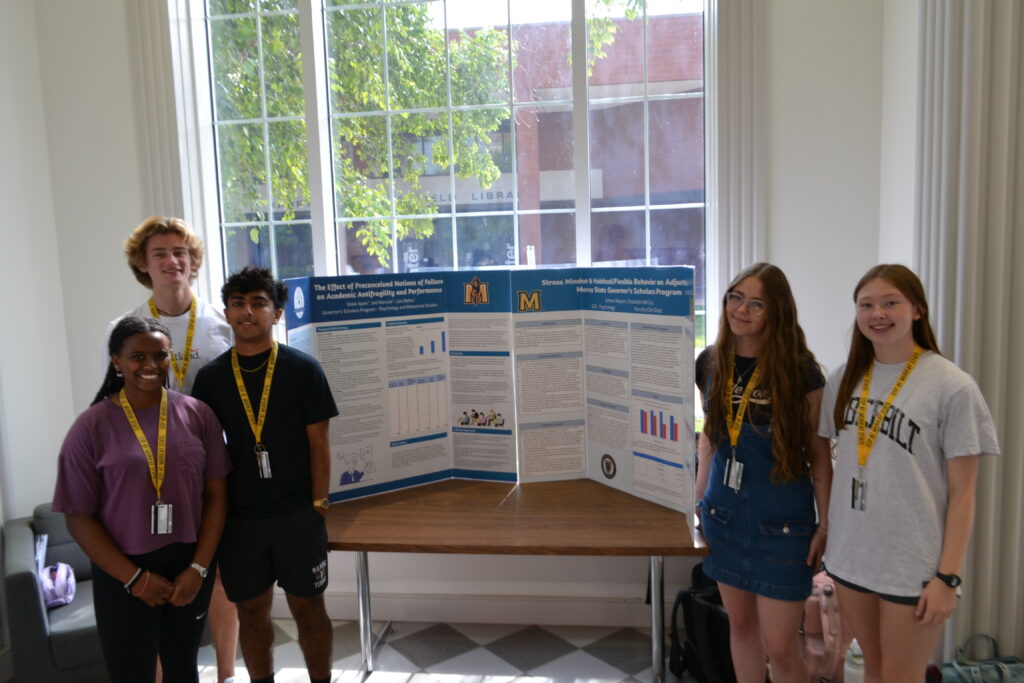
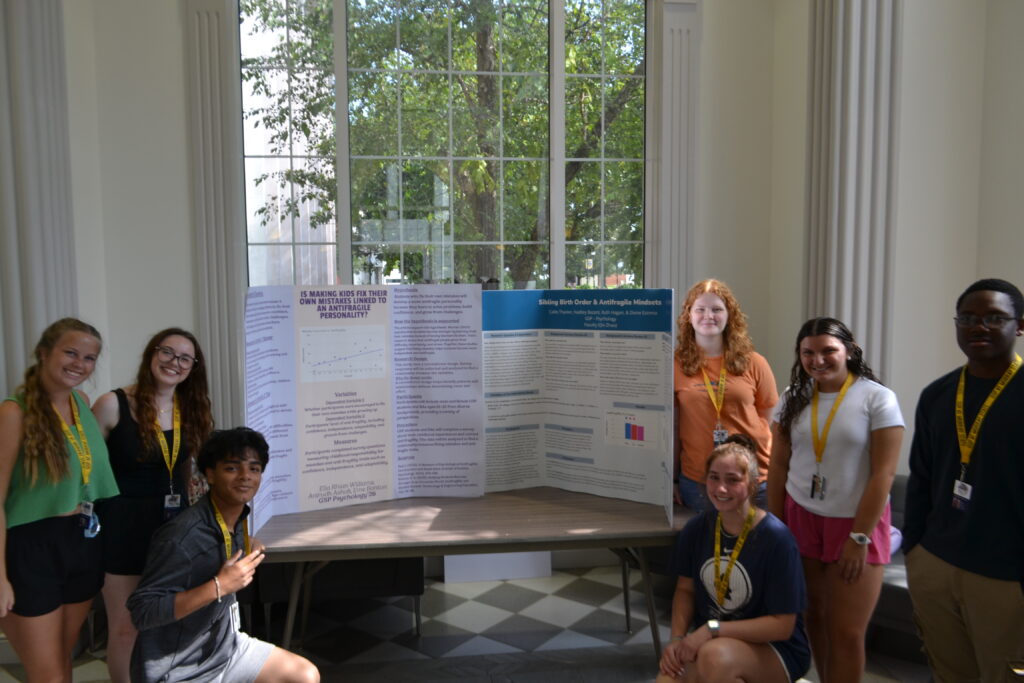
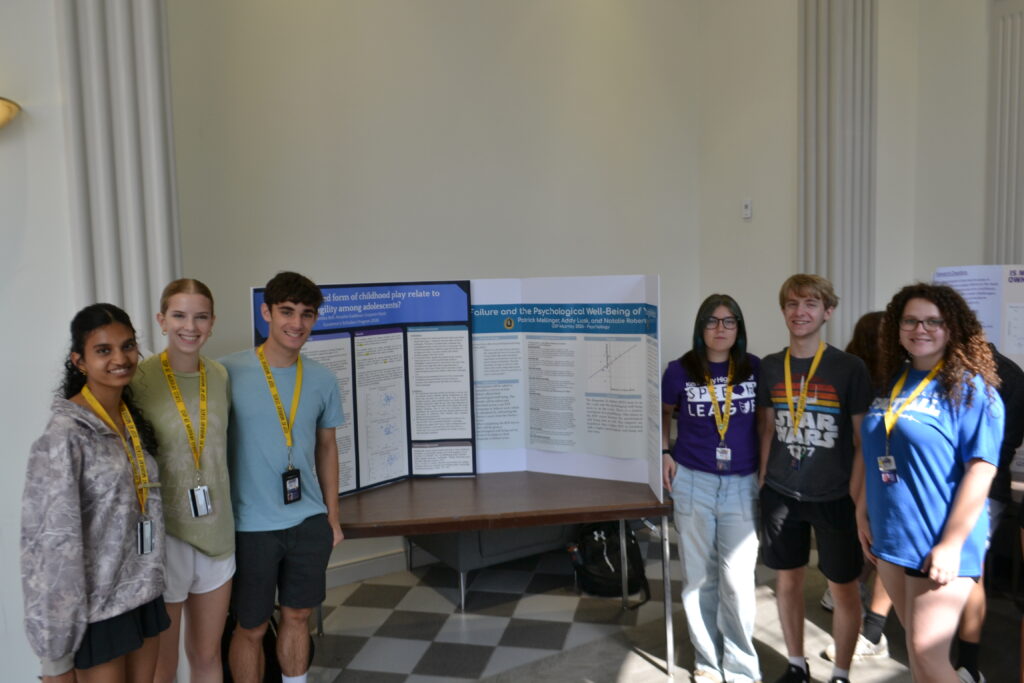
Qin’s scholars were very receptive to the lesson she was trying to instill in them. Many hold gratitude for the opportunity to participate in a free range research project. One student, Ella Rhian expresses, “I mean, how many 17 year olds can say “I’ve done a psychology research project” I think that’s pretty awesome.” Other students appreciate the knowledge they were able to expand during their time in that class. Patrick states he, “Learned about research ethics, and how to conduct an experiment ethically.” Some were thankful towards the community they share in psychology, the common interest and friendships that formed. Shlok remarks, “The easiest part of the class is the community I share with the rest of the students in the class. They all really love psychology, our passion about it makes it really easy to bond with other people.” The environment in Qin’s, along with her research project, has given her students a great learning opportunity.
It may be hard to believe, but it is actually Qin’s first year working at GSP. While she is a professional, the learning environment implemented at GSP can differ greatly from standard academic classes. Meaning while Qin’s class has been very flexible, she has still had to adapt. “I thought I was well prepared, but I quickly realized how fast paced…” Zhao states, “Its intense in a good way.” She expresses that she hopes she passed on her passion for understanding human behavior. When asked “why psychology?”, she responds,“I have always had an interest in observing and understanding people, and understanding myself.” She goes on to say that there was never a true external source that stemmed her curiosity about psychology, but it was more of a calling. Something that came from within, growing on its own. She goes on to discuss how important psychology truly is, hidden behind everyday normalcies. Qin states “Humans are very complex, and understanding psychology helps us kinda unveil that complexity a little bit. So when we interact with people like employees or colleges or students, we are more empathetic, we are more helpful.” Emphasizing her point on how important psychology is regardless of interest, as it is the base of human interaction. She specifically chose each discussion, the book, the content they’ve consumed, to point towards one central theme: learning psychology through research. There are many differing factors you can learn through research, while it’s a significant tool, there are downsides to personal research. Qin discusses lessons she wants her students to take away through researching, mainly concerning the ability to distinguish different data, understanding correlation vs causation, even differentiating sciences. A core lesson she wanted her kids to take away is “How to be more discerning, there is a lot of misleading headlines out there.” Qin states.
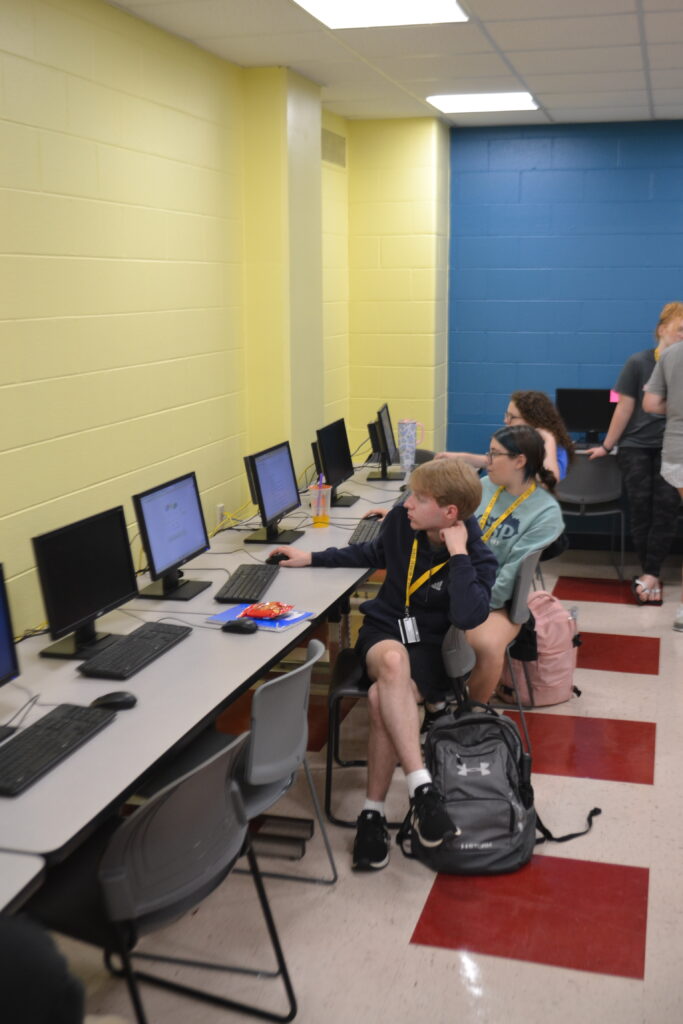
Beginning the class, Qin shows gratitude towards her students, their academic drive strengthening her lessons, as well as their end results. She expresses, “I can sense their enthusiasm from week one, they are eager to know.” A common theme among her students was how accommodating and kind Qin has been, explaining how she genuinely cares for each and every one of them, overall impacting the learning environment greatly. Ella Rhain explains, “She’s so sweet, and so kind. And like you can ask her a question and she will just like give you the best answer ever, she’s great.” In the same vein, Patrick states, “Qin is really nice, I really like how she encourages everyone in the class to kind of explore new options.” When we asked Qin if there is anything else she wishes to add, she simply says, “I wanna say thank you to you both, I’m very appreciative of all the help I’ve gained from everybody, a lot of grace from my scholars, given this is my first year.” Qin has greatly contributed to her students not only through academic material, but through a healthy learning environment where curiosity is encouraged. Lastly, we decided to ask each of the scholars, “if you could describe this class in one word, what would it be?” Ella Rhian believes it to be “educational,” similar to Patrick’s “intellectual,” and Hadley’s “enlightening.” Callie imagines the word to be “fascinating,” akin to Anisha’s, “unique,” and Ruth’s “challenging.” Shlok maintains the word to be “fun,” parallel to Emma’s “fantastic.”